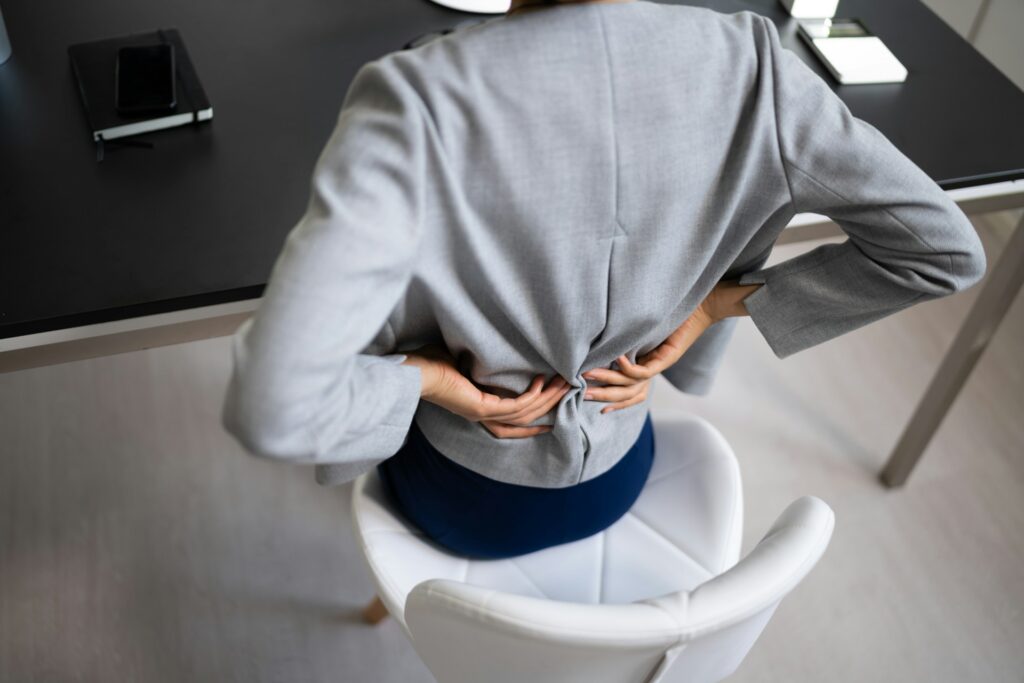
Sitting might not seem like a big deal. After all, we do it every day. But when those sitting hours add up day after day, our bodies can start to feel it in ways we don’t expect, especially in the lower back. That slow, nagging discomfort isn’t just from getting older or being out of shape. It often comes from how our bodies react to sitting still for far too long.
There is real science behind why this happens, and it’s something many of us overlook until pain becomes a regular part of our routine. If your back hurts more at the end of a desk-filled day or after long commutes, you’re not alone. We want to walk through what’s really going on underneath the surface and help you spot the early signs before they become daily struggles. We’ll also share practical ways to support your body’s natural need to move, improve posture, and find back pain relief that actually lasts.
What Happens to Your Spine When You Sit Too Long
Our spines do best when they are moving. Staying seated for hours forces the lower spine to compress in ways it wasn’t made for. That pressure slowly builds up over time, creating tension in the lower back and tailbone area.
When we stay in one position too long, the muscles that support our spine start to relax and disengage. That includes the small muscles that stabilize the lumbar area and the larger ones that connect your core to your back. As they do less and less, they begin to weaken. Even if you go to the gym outside of work hours, it doesn’t fully make up for an entire day of stillness.
Without regular movement, spinal discs can also lose hydration and flexibility. This can make your back feel stiff and sore more often. And when people try to compensate by shifting or slouching in their chair, it can make things worse.
How Sitting Disrupts Muscle Balance and Core Support
Your body is a system that works together, and sitting too long throws that system off balance. It doesn’t just affect the muscles in your back. It changes the way your hips, legs, and core work too.
• Hip flexors tend to shorten when seated for long periods, creating tightness that pulls your pelvis forward
• Glute muscles, your body’s natural shock absorbers, can become underused and start to shut off
• Core muscles lose their role in keeping your trunk stable, leaving your spine to bear the load alone
This kind of muscular imbalance leads to misalignment. Over time, your posture shifts, your back aches more frequently, and it becomes harder to sit or stand without discomfort. That’s when small posture issues grow into ongoing pain patterns.
Postural Awareness Breaks Down Over Time
One of the most overlooked effects of sitting too long is how easily we lose body awareness. We might think we’re sitting upright, but because our muscles and joints aren’t giving the right signals, it’s easier than we realize to start slouching.
• The longer you sit, the more your posture drifts away from a healthy shape
• Your brain starts tuning out the discomfort as “normal,” which makes it harder to fix
• Slouching habits become automatic and harder to notice on your own
Since our brains rely on sensory feedback to adjust movement, losing that input makes it harder to stay in alignment. Over time, this can lock our posture into shapes that strain the lower back, shoulders, and neck.
Why Moving Isn’t Always Enough
Stretching during breaks or walking around the office is helpful, but it may not reverse the effects of too much sitting. The challenge is that once bad movement patterns are in place, we tend to repeat them, even while standing or walking.
Even conscious efforts like sitting on the edge of a chair or setting reminders can fall short if deeper imbalances go unaddressed. And for some people, automatic slouching or forward leaning continues even during activity.
To break these patterns and find real, lasting back pain relief, we often need more than casual movement. We need something that guides and retrains us to sit, stand, and walk with better alignment throughout the day.
What Reliable Back Pain Relief Often Involves
True recovery often starts by helping the body relearn good posture. That means giving the muscles and nervous system the right kind of support to get back into alignment, not just quick fixes or feel-good stretches.
• Tools that improve postural awareness can give helpful reminders when you’re misaligned
• Movement cues restore the natural timing between core, glutes, and spine
• Rebuilding these habits gives your body what it needs to handle daily tasks without strain
The more your posture improves from the inside out, the more your muscles start working the way they should. Over time, that leads to stronger support, better movement, and fewer flare-ups.
Early Intervention for Healthier Backs
Sitting might feel harmless, especially when you’re deep in focus or trying to meet deadlines. But back pain rarely crops up overnight. It often creeps in slowly, starting with tightness or stiffness that we brush off as no big deal.
Noticing early signs and getting the right kind of support can help our bodies reset before discomfort becomes a cycle. Supporting posture, reactivating underused muscles, and rebuilding awareness can all come together to help your back feel stronger and more comfortable again.
Science-Based Back Support for Modern Lifestyles
Paying attention now, even if things don’t feel “too bad” yet, can make a big difference later. The Posture Saver offers a patented, science-based back support device that acts as an early warning system to improve postural awareness during extended periods of sitting. Unlike traditional posture correction products, this unique device is designed for those with sedentary routines and encourages natural postural realignment using feedback cues rooted in biomechanics research.
Your back isn’t just trying to get through the day. It’s trying to tell you something. The sooner we listen, the better we move.
At The Posture Saver, we understand how early posture strain or persistent lower back tension can affect your daily life. Our solution is grounded in real science to promote better movement habits and reduce pressure at the source, not just offer quick fixes. You don’t have to put up with nagging soreness anymore; real back pain relief begins with greater awareness and the right support. Reach out to us today to find out how we can help.